
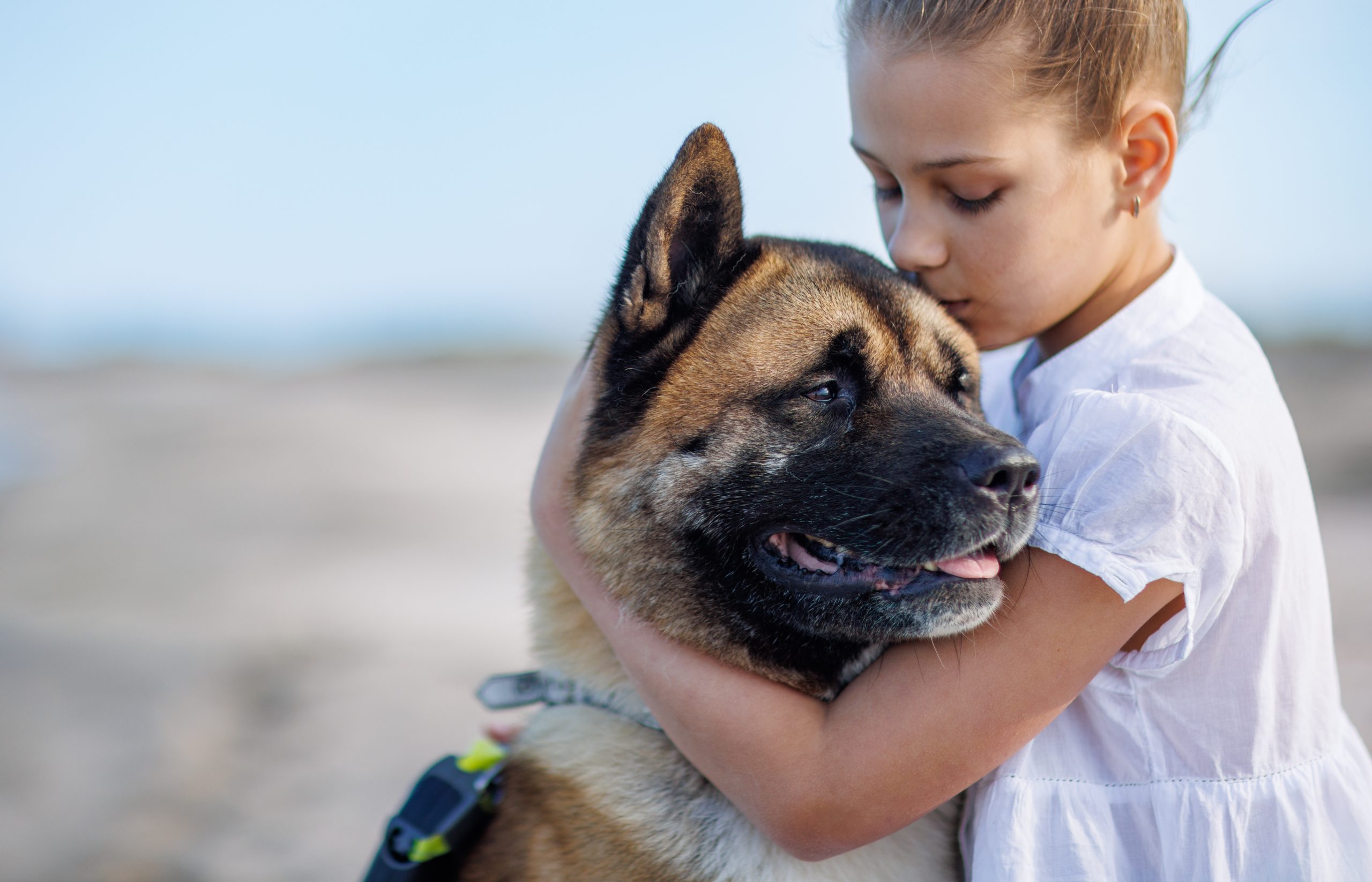
Dottie spent her whole life in an alley, surviving on scraps, watching over Aunt Sadie, and dreaming of the life she heard other dogs talk about. When she finally got a backyard, a bath, and a scarf with her name on it, the adjustment was not instant. But the transformation was beautiful.
The World Looks Very Different from an Alley
For Dottie, the new home was overwhelming at first. Warm water, gentle hands, and the smell of flower scented shampoo were all unfamiliar. She even fought the bath before she let herself relax into it. That is what a new environment can feel like to a dog that has never experienced anything like it.
Rescue dogs, especially those from the streets or long term shelter stays, often arrive carrying invisible baggage. They may flinch at sudden movements, hoard food, pace nervously, or seem emotionally distant. None of this is misbehavior. It is survival instinct adjusting to a world they do not yet understand.
The First Week: Give Them Space
The instinct when a new dog arrives is to introduce them to everyone, show them every room, and shower them with affection. Resist this urge. The first days should be about quiet decompression.
- Set up a quiet corner with a bed or crate, giving them a space that is entirely theirs
- Keep the house calm and low stimulus for the first few days
- Let the dog approach family members on their own terms
- Avoid large gatherings or introducing too many new people at once
- Stick to consistent meal times from day one
The Bath Scene: A Lesson in Gentle Persistence
One of the most touching moments in Rocky’s Forever Home is when the family gives Dottie a proper bath. She fights it at first because the shelter bath had been cold and clinical, nothing like this. But the lady master is patient. She lets Dottie get used to the warm water slowly, then washes her gently with shampoo that smells like flowers.
When Dottie shakes water everywhere afterward, instead of scolding her, the little girl laughs and grabs a towel. That moment of joyful acceptance changes everything. Small acts of kindness, repeated consistently, are how trust is built with a rescue dog.
Common Challenges in the First Months
- Separation anxiety: Some rescue dogs panic when left alone. Start with very short absences and gradually increase the time.
- Resource guarding: Dogs from scarcity backgrounds may guard food or toys. Work with a trainer on this early.
- Fear responses: Loud noises, strangers, or fast movements can trigger fear. Keep introductions slow and positive.
- Escape attempts: Like Rocky at the fence, some dogs will test their boundaries. Make sure your yard is secure.
- Regression: Progress is not always linear. Two steps forward and one step back is completely normal.
The Moment Everything Shifts
You will know the adjustment is working when your dog voluntarily seeks you out, relaxes their body in your presence, and starts engaging playfully with the world. For Dottie, that moment comes when she spins in a circle and says, simply, “I am beautiful.”
That is the moment you are working toward. It is worth every patient, messy, imperfect day leading up to it.
About This Blog
This blog is inspired by Dottie’s journey in Rocky’s Forever Home. Share it with someone who is bringing home a rescue dog for the first time or is in the middle of the adjustment period.
