
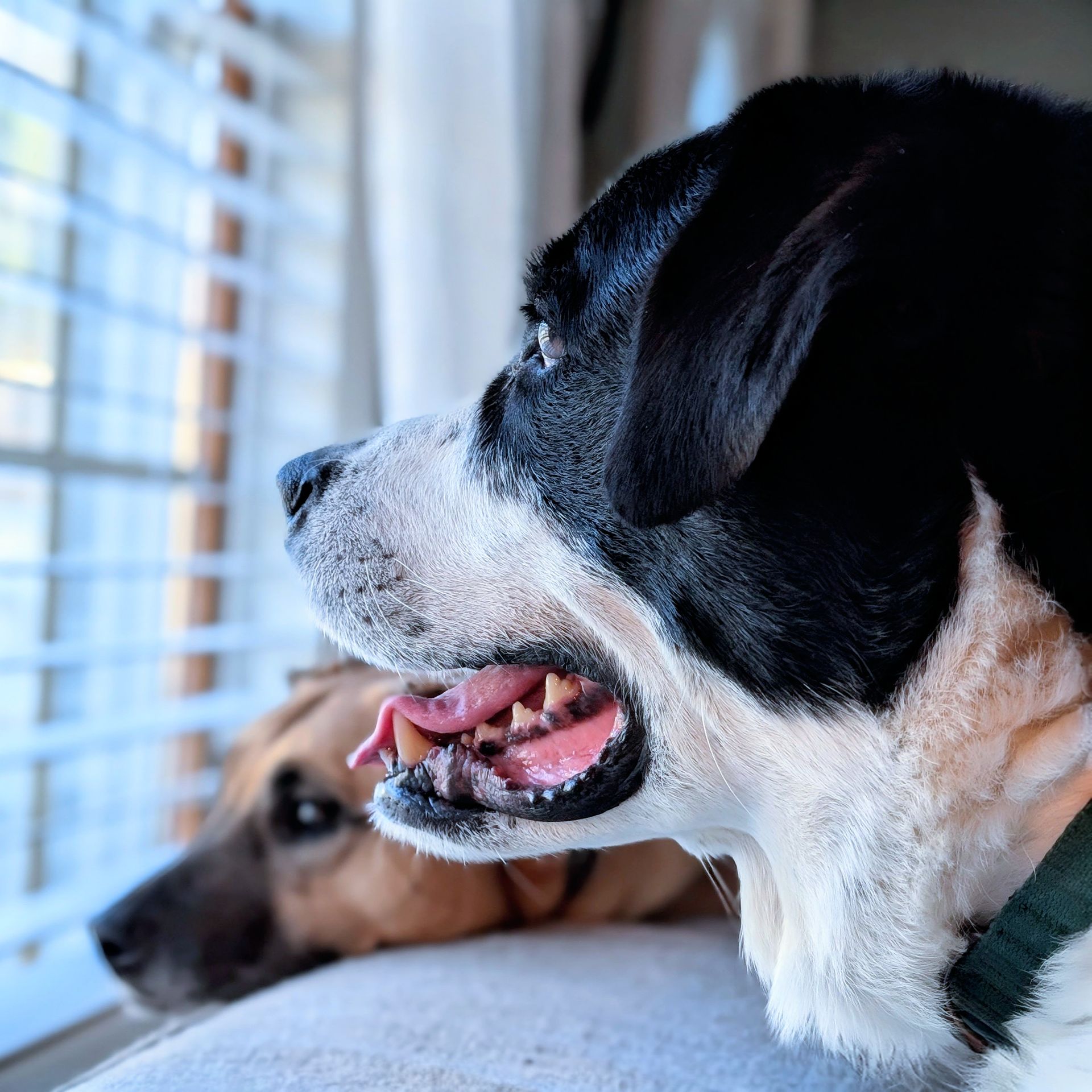
Every year, millions of dogs wait in shelters for a family to choose them. According to the ASPCA, about 5.8 million dogs and cats entered shelters and rescues in 2024. Around 4.2 million were adopted.
That leaves a lot of good dogs still waiting.
If your family is thinking about adopting a rescue dog, you may have questions. Will the dog be good with kids? Will it take a long time to settle in? Is a shelter dog really as good as a puppy from a breeder?
Here’s an honest look at why rescue dogs make great family pets, what challenges to expect, and how to find the right match.
1. Rescue Dogs Are Often Ready for Family Life
Many dogs in shelters are adults. That’s a real advantage for families.
An adult dog’s size, energy level, and personality are already clear. You aren’t guessing how big a puppy will grow or what kind of temperament it will have. Many adult shelter dogs also already know basic commands, and some are already house-trained.
Shelter staff and foster families often know these dogs well. They can tell you whether a dog is calm or playful, shy or social, and whether it has lived with children before.
That kind of insight is hard to get with a puppy.
2. You Can Find the Right Personality for Your Home
A shelter has dogs of every age, size, and energy level. That makes it easier to match a dog to your actual lifestyle.
Maybe your kids are young and you want a gentle, steady companion. Maybe your family hikes every weekend and needs a dog with energy to spare. Shelters and rescues can help you narrow it down.
Many dogs in foster homes are even better to learn about. Their foster families can tell you how they act around kids, other pets, visitors, and loud noises.
3. Rescue Dogs Teach Kids Empathy and Responsibility
Bringing home a rescue dog gives children a front-row seat to something powerful: watching an animal learn to trust.
Kids learn that:
- Love and patience can help a scared animal heal
- Every living creature deserves care
- Responsibility means showing up every day, not just on the fun days
- Small, kind actions add up over time
These lessons stick, because children see them happen in real life.
Stories can reinforce them too. In Rocky’s Forever Home, Rocky is a guarded German Shepherd who has been returned to shelters before. He doesn’t believe in “forever” at all. Watching him slowly learn to trust gives children a gentle way to understand what a rescue dog may be feeling. If you’d like more stories like this, see our list of the best books about rescue dogs.
4. Adopting Gives a Dog a Second Chance
Dogs end up in shelters for many reasons. Most of them aren’t the dog’s fault. Owners move, face financial hardship, or can no longer provide care. Some dogs are lost and never reclaimed.
When you adopt, you give one dog a home. You also free up space and resources so the shelter can help another dog.
Many families say this is one of the most meaningful parts of adopting. Their dog isn’t just a pet. Their dog is a second chance, and the whole family feels part of that story.
5. Rescue Dogs Often Bond Deeply With Their People
Many adopters describe a special closeness with their rescue dog. Of course, every dog is different. But dogs that have been through uncertainty often become very attached to the people who show them consistent kindness.
You’ll see it in small moments. A rescue dog starts following you from room to room. They lean into you for comfort. They relax enough to nap nearby. Our guide to the signs your dog trusts you covers these moments in detail.
That bond is earned, and that’s what makes it so rewarding.
6. Adoption Is Often More Affordable Than Buying
Adoption fees are usually lower than breeder prices. Many shelters and rescues also include basics like vaccinations, spay or neuter surgery, and a microchip in the fee. Policies vary, so ask what your local shelter includes.
Remember that the adoption fee is only the start. Food, vet care, training, and supplies are ongoing costs. A dog is a long-term financial commitment, whether it comes from a shelter or a breeder.
What to Expect: The Honest Part
Rescue dogs can make wonderful family pets. But it helps to go in with realistic expectations.
Many rescue dogs need time to adjust. In the first weeks, a dog may seem shy, anxious, or unsettled. Some dogs hide. Some test boundaries. Some have fears you won’t know about until they come up, like loud noises, men with hats, or being left alone.
This is normal. It isn’t a sign you made the wrong choice.
Here are a few things that help:
- Keep things calm. Don’t overwhelm a new dog with visitors or busy outings in the first days.
- Give them a safe space. A bed or crate in a quiet corner gives them somewhere to decompress.
- Stick to a routine. Regular meal times, walks, and bedtimes help a dog feel secure.
- Use positive reinforcement. Reward good behavior and stay patient with mistakes.
- Be patient. Progress isn’t always a straight line. Setbacks are normal.
For a closer look at the adjustment period, read From Alley to Backyard: How Rescue Dogs Adjust to Home Life.
Tips for Families Adopting a Rescue Dog With Kids
A dog and children can be a wonderful match, but it takes planning. Keep these tips in mind.
Ask About the Dog’s History With Children
Not every dog has lived with kids. Ask the shelter or foster family directly. If the dog’s history is unknown, ask how it has behaved around children at the shelter.
Supervise Every Interaction
Even a gentle dog needs supervision around young children, especially at first. Never leave a young child alone with a dog, and that includes a dog who has been in your home for years.
Teach Kids to Read Dog Body Language
Children should learn to notice when a dog needs space. Yawning, lip licking, turning away, and a stiff body can all mean a dog is uncomfortable. The AKC’s guide to dog body language is a helpful place to start.
Give the Dog Space
Teach kids not to bother a dog while it’s eating or sleeping. Make sure the dog has a quiet retreat that is off limits to children.
Make Sure Everyone Is on Board
Adopting a dog is a family decision. Talk about who will feed, walk, and train the dog. Be honest about how much of that work will fall on the adults.
Is a Rescue Dog Right for Your Family?
Ask yourself a few questions before you adopt:
- Do we have time for daily walks, play, and training?
- Does our home suit the size and energy level of the dog we’re considering?
- Can we handle vet bills and ongoing care costs?
- Are we ready for an adjustment period that may take weeks or months?
- Are we committed for the dog’s whole life?
If you can answer yes, you may be ready. Our post on what a forever home really means goes deeper on what families should know before adopting.
Frequently Asked Questions
Are rescue dogs good with kids?
Many are. It depends on the individual dog, not whether it came from a shelter. Ask about the dog’s history with children, meet the dog with your kids present if the shelter allows, and always supervise interactions.
Are rescue dogs harder to train?
Not necessarily. Many adult rescue dogs already know basic commands. Some need extra patience because of past experiences. Positive reinforcement training works well for most dogs, and many rescues offer training tips after adoption.
How long does it take a rescue dog to settle in?
It varies. Some dogs feel at home within days. Others need weeks or even months. Be patient and let your dog set the pace.
Should I adopt a puppy or an adult rescue dog?
Puppies need a lot of time, training, and supervision. Adult dogs often have more predictable personalities and may already know basic manners. The right choice depends on your family’s time, experience, and lifestyle.
Where can I adopt a rescue dog?
Start with your local animal shelter or humane society. Breed-specific rescue groups and foster-based rescues are also good options. Most will ask you to fill out an application and may arrange a meet-and-greet before adoption.
The Bottom Line
Rescue dogs aren’t perfect, and no dog is. But with patience, structure, and love, a rescue dog can become a loyal, loving member of your family.
Molly to Rocky, in Rocky’s Forever Home
For families, it also starts with commitment, patience, and a willingness to give a dog time.
If you’d like to share that message with your kids, you can read a sample chapter of Rocky’s Forever Home and see how Rocky and Dottie learn what it means to belong.
